Elevate Your Projects with Realistic Flower Wallpaper Patterns
There’s something timeless about floral design. Whether it’s a single bloom or a dense botanical arrangement, flowers have a way of grounding a visual composition with warmth, elegance, and organic appeal. The Realistic Flower Wallpaper Patterns collection taps into that enduring charm, offering a versatile set of digital papers that can transform everything from printed stationery to digital brand assets.
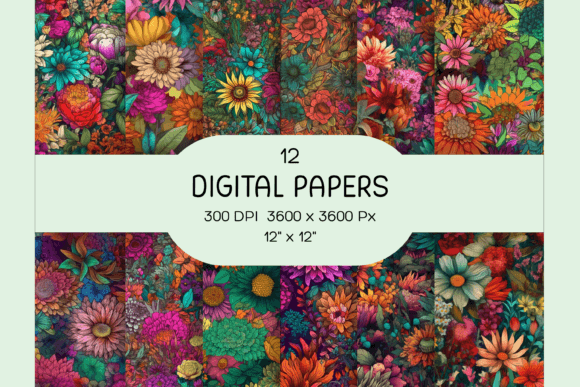
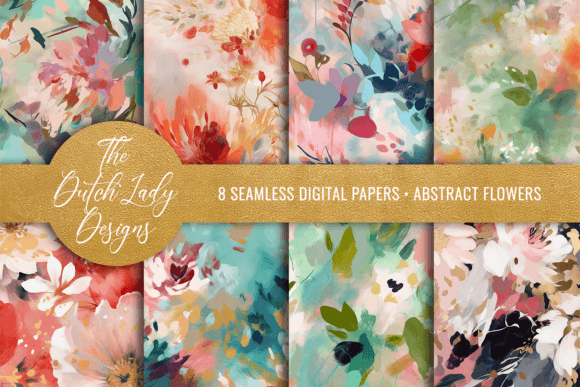
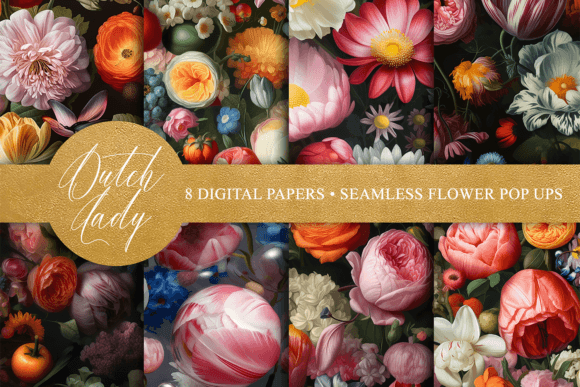
This set includes eight high-resolution JPEG files, each sized at 3600x3600 pixels (12x12 inches at 300dpi). They’re seamless and tileable, meaning you can scale them for larger projects without worrying about visible edges or awkward repetitions. The files are designed for practical use—whether you’re creating physical products, designing digital content, or building a cohesive brand identity.
Understanding the Visual Character of These Patterns
Unlike stylized or abstract florals, these patterns aim for realism. The petals, leaves, and stems are rendered with natural shading and delicate detail, giving them a textured, almost tactile quality. The color palettes tend toward soft neutrals, muted pastels, and earthy tones, making them adaptable across different design contexts without overwhelming other elements.
This realism isn’t just about aesthetics—it’s about versatility. A pattern that mimics the depth and variation of real botanicals can serve as a sophisticated backdrop for minimalist layouts, vintage-inspired branding, or nature-themed editorial work. It’s the kind of design asset that works quietly in the background, supporting typography and imagery without competing for attention.
Practical Applications Across Creative Projects
One of the strengths of the Realistic Flower Wallpaper Patterns is their adaptability. Because the files are seamless and high-resolution, they can be used in a variety of contexts:
- Print Projects: Use them as backgrounds for greeting cards, invitations, posters, or packaging. The 300dpi resolution ensures crisp output, even at larger print sizes.
- Digital Design: They work well as website backgrounds, blog headers, or social media graphics. The tileable format makes it easy to adjust dimensions without losing quality.
- Product Design: These patterns can be printed on merchandise like mugs, t-shirts, tote bags, or fabric. Their realistic style gives products a polished, professional finish.
- Brand Identity: For businesses in wellness, beauty, home décor, or artisan goods, these patterns can reinforce a natural, elegant brand image. Use them in logo presentations, business cards, or digital banners.
Keep in mind that these are JPEG files—they’re not layered, so you can’t isolate individual elements like a single flower or leaf. However, that simplicity is part of their appeal. They’re ready to use as-is, which saves time for designers who need reliable, high-quality backgrounds without extensive editing.
Integrating These Patterns into Your Design Workflow
Working with digital papers requires a bit of planning. Here are a few practical tips for getting the most out of the Realistic Flower Wallpaper Patterns:
- Match the Pattern to the Project’s Tone: A soft, pastel floral might suit a wedding invitation, while a richer, more saturated pattern could work for a boutique brand’s packaging. Consider the emotional resonance of the color palette and density of the design.
- Pair with Simple Typography: Because these patterns have a lot of visual texture, they pair best with clean, legible typefaces. A modern sans serif or a classic serif font can create a balanced hierarchy without clutter.
- Test at Scale: If you’re using the pattern for large-format printing or web backgrounds, preview it at the intended size. The seamless tileability helps, but it’s still worth checking for any unintended repetition in the final layout.
- Use as Accent Elements: You don’t have to cover an entire surface with the pattern. Try using it in panels, borders, or as a subtle texture behind text blocks. This can add depth without overwhelming the design.
For those who work with clients or manage their own brand, having a set of reliable, high-quality design assets like this can streamline the creative process. Instead of searching for stock images or creating patterns from scratch, you have a ready-made resource that maintains consistency across projects.
Considerations for Brand Consistency and Audience Engagement
Visual consistency is key to building recognition. When you use the same floral pattern—or a coordinated set—across different touchpoints, it creates a cohesive experience for your audience. A customer who sees your pattern on a product label might later recognize it on your Instagram feed or website, reinforcing brand recall.
The realistic style of these patterns also lends a sense of authenticity. In a market saturated with generic clip art and overly digital-looking graphics, a botanical pattern that feels organic and detailed can help your brand stand out. It suggests care, attention to detail, and a connection to nature—qualities that resonate with many consumers today.
That said, it’s important to use these assets thoughtfully. Overusing a busy pattern can make designs feel cluttered or dated. The key is balance: let the pattern enhance your layout, not dominate it. Use it to frame key elements, highlight sections, or add a touch of elegance where it’s needed.
Final Thoughts on Working with Floral Design Assets
The Realistic Flower Wallpaper Patterns set is a practical addition to any designer’s toolkit. It’s not about flashy trends or complex customization—it’s about providing a solid foundation for projects that require beauty, professionalism, and versatility.
Whether you’re a small business owner looking to elevate your packaging, a blogger wanting a refined backdrop for your content, or a crafter creating handmade goods, these patterns offer a straightforward way to add visual interest. They’re designed to be used, not just admired, and their high-resolution, seamless format makes them adaptable to a wide range of applications.
As with any design asset, the best results come from intentional use. Take the time to consider how the pattern fits into your overall aesthetic, test it in context, and don’t be afraid to experiment with scale, color overlays, or partial applications. With a little creativity, these floral patterns can become a subtle yet powerful part of your visual storytelling.