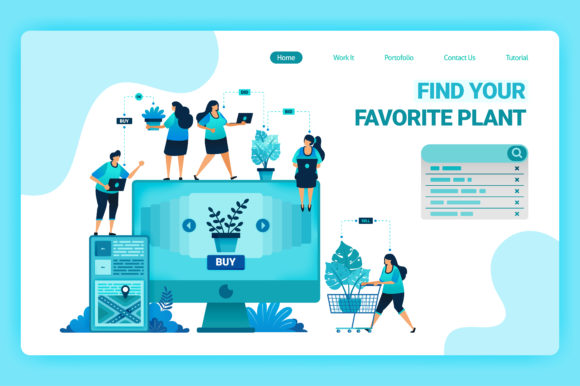
Landing Page of Plants E-commerce: More Than Just a Template
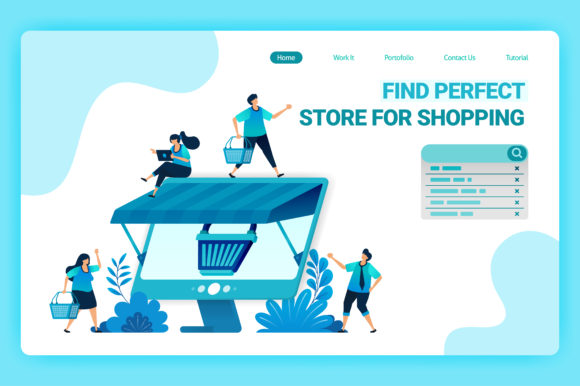
There’s a specific kind of frustration that comes with trying to build a compelling online presence for a botanical business. You know your products—the lush monstera plants, the delicate succulents, the vibrant foliage—are beautiful. But translating that organic, living energy into a digital space that actually converts visitors into customers is a different challenge entirely. This is where a thoughtfully crafted Landing Page of Plants E-commerce template enters the picture, not as a magic solution, but as a powerful, adaptable starting point for your brand.
At first glance, you’ll notice the design leans into a clean, modern aesthetic. It avoids the overly rustic or cluttered look that can make plant shop websites feel dated. Instead, it uses ample white space, a harmonious color palette drawn from nature—think muted greens, warm terracottas, and creamy off-whites—and crisp typography that prioritizes readability. The personality is calm, confident, and trustworthy, which is exactly the feeling you want a potential customer to have when considering a living purchase online. It’s a vector design template, which means every element is scalable and editable, a crucial feature for maintaining sharpness across everything from a mobile app interface to a large-format print banner.
Practical Applications for Creators and Businesses
The true value of this asset lies in its versatility. For the entrepreneur launching a new plants e-commerce and delivery service, this template provides a ready-made structure. You can integrate it with your mobile app’s design language, ensuring a seamless user experience from ad click to checkout. The layout is inherently optimized for conversion, with clear calls-to-action, strategic product placement, and sections designed for customer testimonials or featured collections like "Easy-Care Plants for Beginners."
For the marketer or content creator, the template is a springboard for campaigns. Imagine using the core visual elements—the grid of product images, the elegant typography, the soothing color scheme—to create cohesive social media graphics, email newsletters, and digital ads. The consistency across platforms strengthens brand identity and recognition. A blogger in the home decor niche could even adapt the template’s style for a sponsored post or a dedicated affiliate landing page, ensuring their content looks professional and integrated with the brand they’re promoting.
Even designers and hobbyists will find utility here. The editable EPS 10 file and high-quality JPEG files are not just for web use. A crafter could use the floral motifs for a printed workshop flyer. A small business owner could extract the layout principles for their packaging design inserts or thank-you cards. The template acts as a design asset library, offering pre-vetted solutions for visual hierarchy and aesthetic balance that can be cherry-picked for a variety of projects.
Influence on User Experience and Brand Perception
A landing page is a silent salesperson, and its design directly influences how your audience perceives your business. The structured, airy layout of this particular template enhances readability and creates a clear visual hierarchy. A visitor’s eye is guided naturally from a compelling hero image to key product features, then to social proof, and finally to the purchase button. This thoughtful flow reduces cognitive load, making the shopping experience feel effortless and enjoyable.
From a brand strategy perspective, the choice of a clean, modern, and slightly minimalist design communicates professionalism and care. It suggests that the business values quality and transparency—qualities you’d want when trusting a seller with a living plant. The consistent use of color and type across the site and associated marketing materials fosters a sense of reliability, which is fundamental for building customer loyalty in a niche where trust is paramount.
Integrating This Asset Into Your Workflow
If you’re considering using this Landing Page of Plants E-commerce template, start by evaluating its fit with your existing or desired brand identity. Does the color palette resonate with your brand’s voice? Is the typographic style—likely a mix of a clean sans serif font for body text and perhaps a more distinctive display font for headings—compatible with your other design assets?
Next, consider the technical execution. Because it’s a vector design template, you have significant flexibility in customization. You can change colors, swap out placeholder images for your own high-resolution plant photography, and adjust copy blocks without degrading the design. For those using it in Adobe Illustrator or similar software, the layered file structure should allow for detailed edits. Test how the layout adapts when you input your actual product information and content—does the visual balance hold?
Finally, think about the ecosystem. A great landing page is the hub, but it connects to spokes: your social media profiles, your email campaigns, your mobile app. Ensure the visual language of the template can be consistently translated to these other channels. Use the same header styles, button shapes, and image treatments in your Instagram stories and Facebook ads to create a unified customer journey. This consistency is what transforms a simple transaction into a recognizable brand experience.
In the end, this resource is a tool. Its effectiveness hinges not on its inherent qualities alone, but on how skillfully and creatively you wield it to tell your unique botanical story and build a lasting connection with your audience. It provides the framework; you supply the personality and the plants.